Terramorph
Rain garden of native grasses and black-eyed Susans with a river-rock edge beside a path

Home / Services / Permaculture Design

Sustainable landscape design and installation

Permaculture Design & Installation in Toledo and Northwest Ohio

Permaculture is landscape design that works with water, soil, sun and plants instead of fighting them. Terramorph designs it and our crews install it: rain gardens, food-producing beds, native habitat and water-smart grading, built for Northwest Ohio clay.

4.9★★★★★220+ Google reviews

Reference photo, not a Terramorph project. U.S. Army photo by Elizabeth Fraser (public domain)

Great work at a fair price. They did what they said they were going to do, when they said they would do it.Richard HansenA lot of companies tell you what they are going to do. This company far exceeded their word.jon mercurioAttention to detail was 2nd to none!Adam RaiderThey did an excellent job and completed the same day. I would highly recommend them.Teresa Thompson10/10 Company, the boys made my house look great. Customer Service is great, best deal on the market.Alejandro UrreaGreat work very accommodating and extremely professional will definitely have them do all my future work.Pete DetgenGreat, professional group of guys!Josh JohnsonThey did a fantastic job for me. I will recommend them to colleagues.Dominic UrquiolaFast and reliable. Ty did excellent work and very reasonable cost. I would not hesitate to suggest him to others.Larry CalcamuggioAmazing service every time and prompt to all appointments.CJ Miller
Permaculture Design in Northwest Ohio: the short answerTerramorph designs and installs permaculture landscapes for homes in Perrysburg, Toledo, Maumee, Sylvania and across Wood and Lucas County, Ohio: rain gardens and water-smart grading, food-producing beds and fruit trees, native habitat and soil building, planned for heavy clay and zone 6b winters. One local crew draws the plan and builds it in phases. Estimates are free.Reviewed October 2026 · Terramorph LLC, Perrysburg, Ohio
220+5-Star Google ReviewsCustomer feedback from homeowners across the area. LocalPerrysburg-area teamOutdoor project experience across Wood and Lucas County.
RegionalServing Wood and Lucas CountyNorthwest Ohio-specific expertise for outdoor projects, drainage, and property upkeep.
DirectFree estimate requestsCall or send project details through the secure request form.

Sound familiar?

The yard takes constant mowing, watering and fixing, floods every spring, and gives almost nothing back.

What you get

A yard that holds its own water, feeds pollinators and your family, and needs less work every year.

Get a free quote
Hand pressing a soil ribbon to test texture beside rows of young corn01
A soil ribbon test: the design starts with what the ground is actually doing. Reference photo, not a Terramorph project. Photo: USDA NRCS Iowa (public domain)

Design and build

Permaculture design, built by a local landscaping crew

Most permaculture designers draw a plan and hand it to you. Terramorph does both halves: we design the property, then our crews install it, from grading and drainage to planting and mulch, and we come back to check how it is settling in. You get one team that understands the plan because they wrote it.

Permaculture isn't a style or a plant list. It's a way of designing. The word was coined in Tasmania in the mid-1970s by Bill Mollison and David Holmgren, and it has grown into a set of design principles used on farms, schools and backyards around the world. The goal is simple: a landscape that works like a natural system, so it keeps producing with less input from you.

What it means

What permaculture means for a Toledo-area yard

In plain English, a permaculture design answers five questions about your property. Good design starts with watching the site before building anything: where the water goes after a storm, which way the wind comes from, and where the sun falls in June versus December.

  1. WaterWhere does rain land, where does it run, and how do we slow it down and soak it in instead of sending it to the street?
  2. SoilWhat is the soil doing now, and how do we build it up instead of stripping it every year?
  3. ZonesWhat do you use every day, and what can be left a little wilder? Permaculture places things by how often you visit them, from the kitchen herbs by the back door (Zone 1) to vegetable beds (Zone 2), fruit trees and berry shrubs (Zone 3), and a quiet wild corner for wildlife (Zone 5).
  4. PlantsWhich plants can do more than one job? A fruit tree "guild" surrounds a tree with companions that each help: clover to add nitrogen, flowers to bring in bees, bulbs to hold back grass.
  5. HabitatHow do we make room for the bees, birds and beneficial insects that do a lot of the pest control for free?

Built for here

Designing for Northwest Ohio: clay, wet springs and zone 6b

Permaculture advice online is often written for somewhere else. Northwest Ohio has its own rules, and we design for the soil you actually have. See best plants for Ohio clay soil.

  1. Heavy clayMuch of Wood and Lucas County sits on the old Great Black Swamp. Clay soils like the Hoytville series, which was first described right here in Wood County, drain very slowly. That changes how we handle water and which plants we choose.
  2. Wet springs, dry AugustsYards here often sit soggy in April and bake by midsummer, so designs have to handle both.
  3. Zone 6b wintersPerrysburg and Toledo are in USDA hardiness zone 6b on the 2023 map, so plants have to handle average winter lows of -5 to 0 °F.
  4. Sand pocketsWest of Toledo, the Oak Openings region is sandy and drains fast. Plants that thrive there can fail on clay a few miles away.
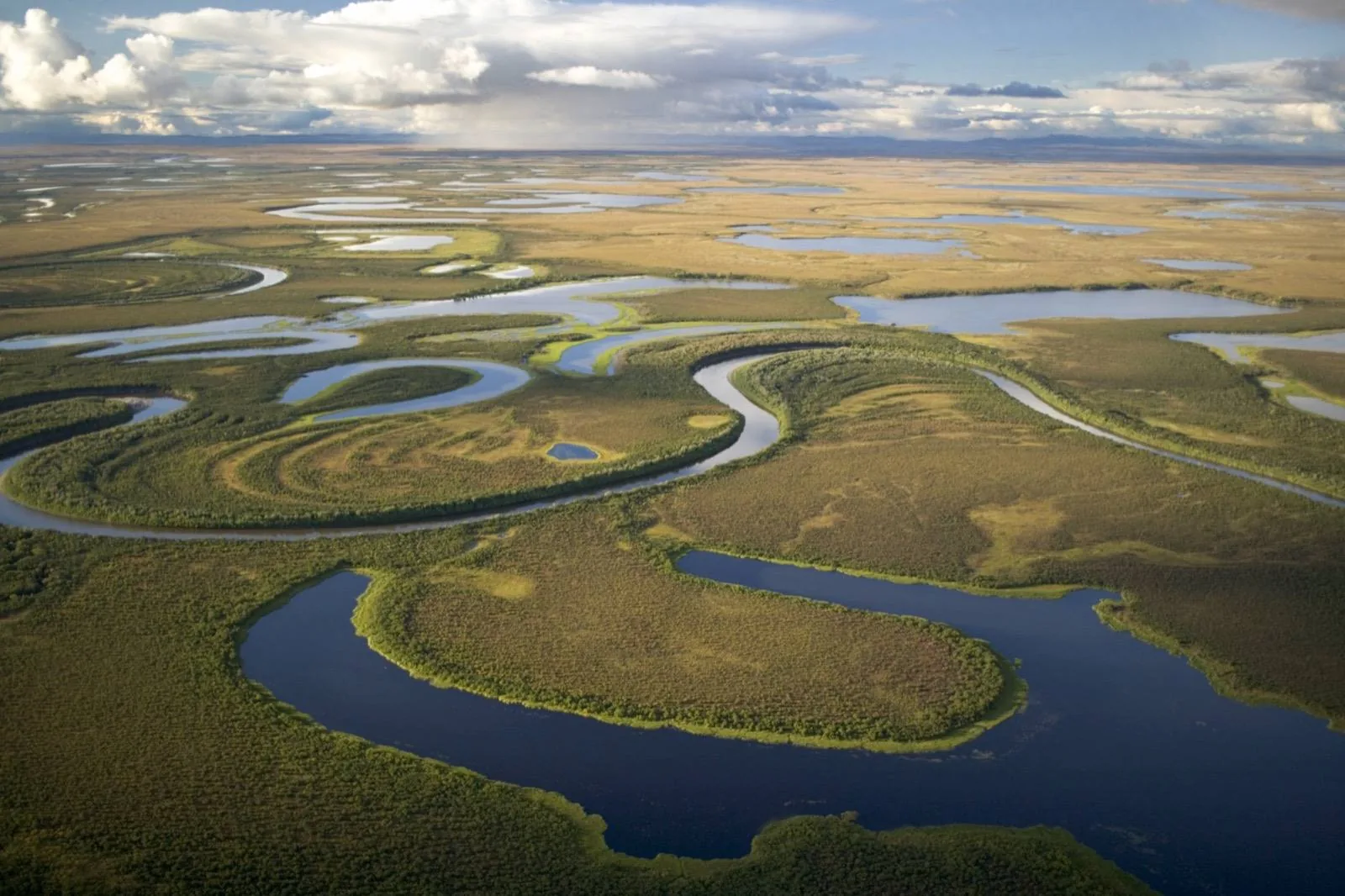
Aerial view of a river meandering through green and gold wetlands04
Water slowed and spread across a wetland, the pattern swales and rain gardens copy at yard scale (Selawik refuge, Alaska). Reference photo, not a Terramorph project. Photo: Steve Hillebrand/USFWS (public domain)

Water first

Water first: rain gardens, swales and drainage on clay

Permaculture is famous for swales, shallow ditches on contour that slow water so it soaks in. On our clay, a swale dug without testing can just make a long puddle. So we test first. We run a simple percolation test (dig a hole, fill it, check how fast it drains), then pick the right tool.

Rain gardens stay at least 10 feet from foundations and away from septic systems, and every dig starts with an OHIO811 utility locate.

  1. Rain gardensFor roof and driveway runoff: shallow planted basins that soak water in within a few days. On clay we make them shallower and mix 2 to 6 inches of compost into the top layer.
  2. Swales and bermsOnly where the soil test says water will actually soak in.
  3. Conventional drainageWhere it's the honest answer. Sometimes a French drain or regrading is the right first step. See drainage solutions.
  4. Rainwater harvestingOne inch of rain on 1,000 square feet of roof is about 623 gallons, and the design decides where that water goes.
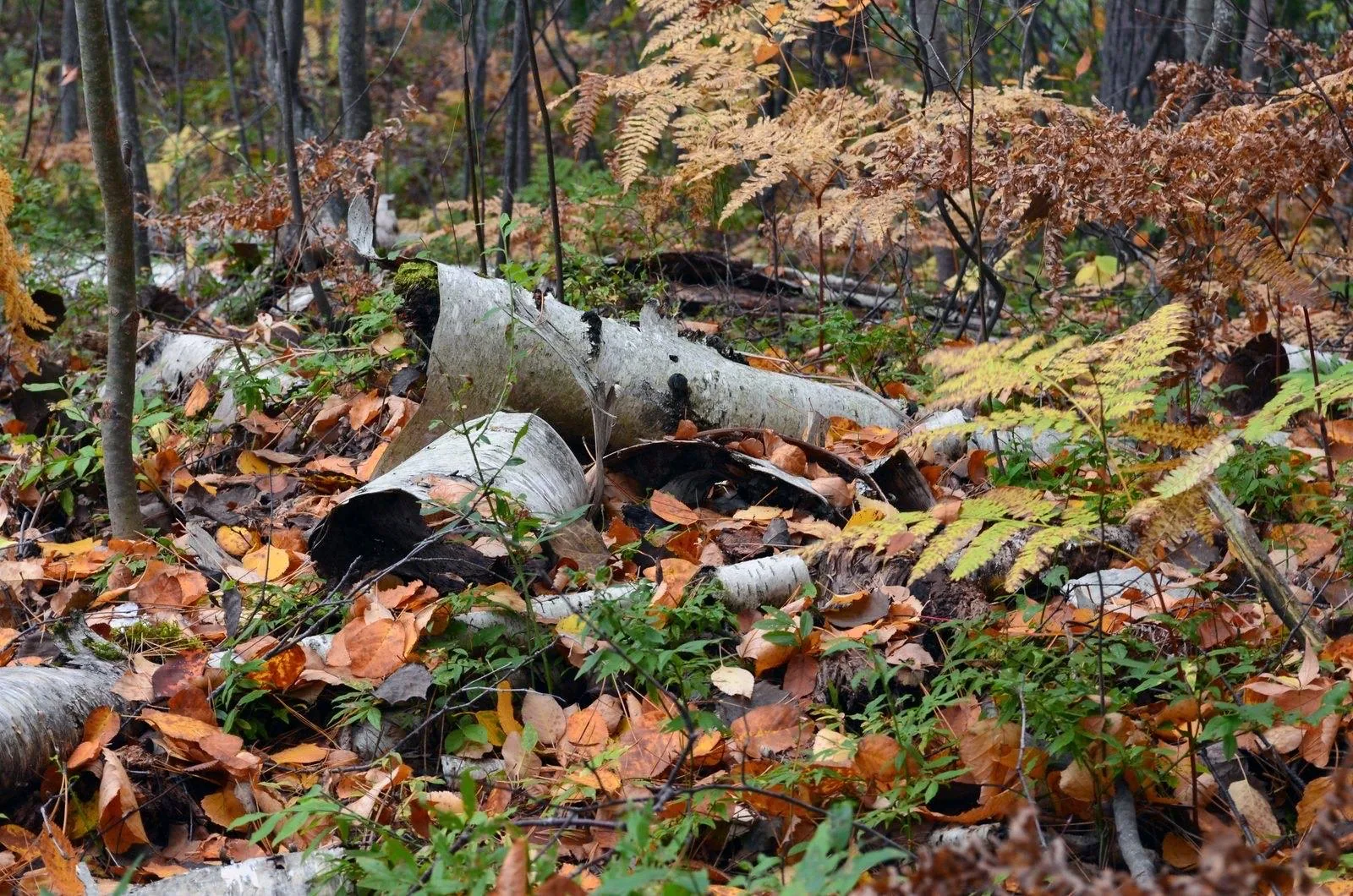
Decaying logs, ferns and fallen leaves building soil on a forest floor05
Nature's soil-building model: logs, leaves and ferns feeding a forest floor. Soil building copies this with compost and mulch. Reference photo, not a Terramorph project. Photo: Tina Shaw/USFWS (public domain)

What we build

What we design and install

A permaculture plan pulls together several things we build. Each one has its own page.

  1. Native habitat and pollinator gardensNative plant beds, meadows, rain gardens and invasive plant removal. See native habitat design and installation.
  2. Food forests and edible gardensFruit and nut trees, berry shrubs, guilds, kitchen gardens and raised beds. See food forests and edible landscaping.
  3. Natural pools, ponds and water featuresWildlife ponds, swim ponds and chemical-free natural swimming pools. See natural swimming pools and ponds.
  4. Soil buildingCompost, mulch and plantings that feed the soil instead of stripping it.
  5. Hardscape that fits the planPaths, seat walls and patios placed where the design needs them. See paver patios and hardscapes.
Native pollinator garden with purple coneflowers, prairie clover and black-eyed Susans in full summer bloom06
Natives grouped in drifts read as a garden, not a vacant lot. Reference photo, not a Terramorph project. Photo: Courtney Celley/USFWS (public domain)

Small lots

Front yards, small lots and neighborhoods with rules

Permaculture works on a small suburban lot, not just acreage. The key in town is making it look intentional: clean bed edges, a mown path or border, plants grouped in drifts, and a clear front-yard design so it reads as a garden, not neglect. We keep lawn where it has a job (play, pets, paths) and plant the rest. See native plants vs. lawn.

Why it matters

The values behind it

Permaculture is built on three simple ethics: care for the earth, care for people, and share the surplus. For a homeowner that means a yard that costs less to keep up, gives back food and habitat, and does its part for local water. In our area that matters: runoff carrying phosphorus into the Maumee River feeds Lake Erie's summer algae blooms, the same blooms that shut down Toledo's tap water in August 2014. Yards that soak in rain and skip excess fertilizer are a small part of the fix.

Where we work

Permaculture design and installation across Wood and Lucas County

Permaculture design and installation across Perrysburg, Toledo, Maumee, Sylvania, Waterville, Whitehouse, Holland, Monclova, Rossford, Oregon, Bowling Green and the rest of Wood and Lucas County. Free estimates: 419-873-6801. Start with landscape design if you want the whole property planned, and see financing for larger phased projects.

How we work

Our process

Permaculture starts with watching the site, not with a plant list. Here is how a Terramorph project runs from the first call to the follow-up visit.

01

Consult and site walk

Your goals, how you use the yard, budget and timeline.

02

Site analysis

Water flow, soil and percolation test, sun, wind, existing plants and access.

03

Design

A layout you can react to, with zones, water plan, planting plan and phases.

04

Phased install

Start with water and soil, then trees and shrubs, then the layers that fill in.

05

Follow-up

Establishment watering, weeding and a seasonal check-in plan.

Reviews

Homeowners who hired us.

4.9
★★★★★
“We are absolutely thrilled with the work Brad and his team completed! They completely redesigned our flower beds, providing us with a potential layout drawing, guiding us in selecting the right flowers, and executing everything perfectly. Besides the excellent craftsmanship, Brad and his team are genuinely kind and considerate.”
Kate Vallerand
★★★★★
“Ty and his crew are a great group of young professionals. Their work was well planned and executed with great attention to detail. I would not hesitate to recommend them for any level of landscaping project you may have.”
R.J. Rajner
★★★★★
“Terramorph did an outstanding job from start to finish. The team was professional, punctual, and paid close attention to every detail. They transformed the property with high-quality work, and the results exceeded my expectations.”
Jack Higgins

Questions homeowners ask

Quick answers before you request an estimate.

Still wondering about something? Call 419-873-6801, 7 a.m. to 8 p.m.

What is permaculture design?

Permaculture is a way of designing a landscape so it works like a natural system: it catches and stores water, builds soil, mixes plants that help each other, and makes room for wildlife. Unlike a traditional yard of lawn and shrubs, it is designed to produce food, habitat or both, with less mowing and watering over time.

What does a permaculture designer do?

A permaculture designer studies your property first (water flow, soil, sun, wind and how you use the space) and then lays out zones, water features, plantings and paths that work together. Terramorph also installs the design with our own crews.

How much does a permaculture design cost?

It depends on the size of the property and how much you want installed at once. Terramorph starts with a free estimate, then prices the design and the installation phases separately so you can build in stages.

Does permaculture work in Ohio's clay soil and zone 6b winters?

Yes, if it's designed for them. On Northwest Ohio clay we test drainage before digging swales, use rain gardens with compost-amended soil, and choose plants proven in zone 6b and heavy soil.

Can I do permaculture on a small yard or a front yard?

Yes. Small lots often get the most out of it: a rain garden for the downspout, a few fruit trees with companion plants, native beds and a kitchen garden. In front yards we keep clean edges and a clear layout so it looks designed and fits neighborhood expectations.

Is permaculture the same as a food forest?

No. A food forest is one thing a permaculture design can include: a layered planting of fruit and nut trees, shrubs and ground covers. Permaculture is the whole-property plan, including water, soil, habitat and how you live in the space.

Do you install the design or just draw it?

Both. Terramorph designs the property and our crews install it, from grading and drainage to planting, mulch and paths, then we follow up while it establishes.

How long until a permaculture yard is productive and low-maintenance?

Water features and beds work right away. Perennials fill in over the first two to three growing seasons, and fruit and nut trees take several years to bear. Weeding and watering are heaviest in the first seasons and drop as plants close in.

Is permaculture sustainable and regenerative?

That's the goal: a permaculture yard holds rainwater on site, builds soil with compost and mulch, supports pollinators and birds, and cuts down on mowing, watering and fertilizer.

Terramorph at a glance

The short version.

Terramorph LLC is a landscape design and build company based in Perrysburg, Ohio, founded by brothers Ty and Trent Lincoln. We handle permaculture design along with patios, drainage, landscape beds, lighting, lawn care, cleanups, and snow removal for homes and businesses across Wood and Lucas County. 4.9 stars from more than 220 Google reviews, BBB accredited, and estimates are free.

Based in
Perrysburg, OH
Serving
Wood & Lucas County
Google rating
4.9 from 220+ reviews
Accreditation
BBB Accredited
Founders
Ty & Trent Lincoln

Project savings

Save up to 10% on your project

The bigger the project, the more you save. Mention your code when you request your quote or approve your estimate.

Request My Quote
Your projectYou saveUse code
$10,000 or more10%Y2H1N
$8,000 or more8%7U5C1
$6,000 or more6%8B2M3
$5,000 or more5%0O6B2

Applies to all Terramorph services. One code per project, based on the project total before tax. Mention the code when you request your quote or before you approve your estimate. Can't be combined with other offers or applied to work already invoiced.

Free estimate

Request a Permaculture Design Quote

  • Tell us what you want built, fixed, or cleaned up
  • Add photos if you have them, they help
  • We follow up to set up a visit and a written quote
Rather talk? Call 419-873-6801

Request a Permaculture Design Quote

Form not loading? Open it directly or call us.

Open the request form Call 419-873-6801
Call Free quote